
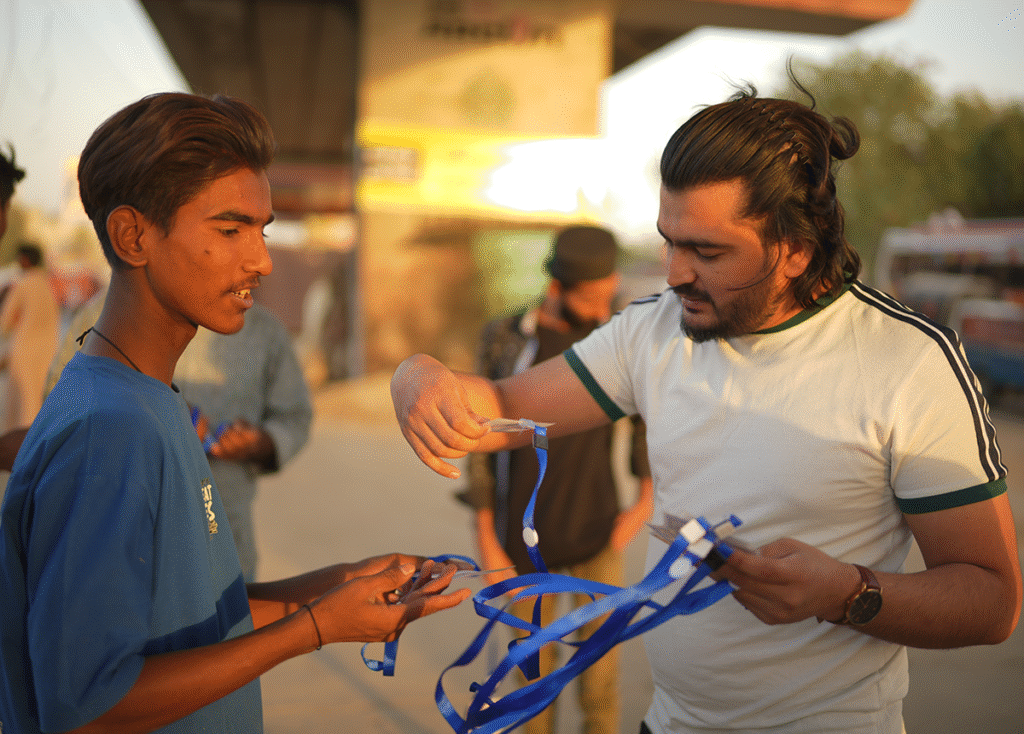
“Empowering Communities with Health, Education, and Skills for a Brighter Future”
Program Components:
1. Free Ambulance Service
To provide emergency medical transport to individuals in need, especially in remote or underserved areas where access to quick medical care may be limited.
Details:
- Free ambulance rides for emergencies.
- 24/7 availability (through a hotline or app-based service).
- Collaboration with local hospitals and clinics for immediate care.
- Impact: Helps reduce mortality and improve health outcomes for individuals in urgent need of transportation.
2. Madad Ration Drive
To provide food and essential supplies to families in need.
Details:
- Distribution of ration kits containing staples like rice, flour, sugar, pulses, and oil to underprivileged communities.
- Targeting low-income households, migrant workers, and people affected by economic hardship.
- Impact: Ensures food security for families facing financial instability, especially in times of crisis.
Possible Expansion:
- Increase collaboration with local grocery stores or suppliers for more discounted or donated items.
- Organize community-based food banks or distribution points to maximize outreach.
3. Madad School Fees
To support children from low-income families in accessing education by covering school fees.
Details:
- Providing financial assistance for school tuition, uniforms, books, and other education-related expenses.
- Aimed at helping children who might otherwise drop out due to financial barriers.
- Impact: Increases educational access, helping children break the cycle of poverty.
Possible Expansion:
- Set up a scholarship program for bright students in need.
- Partner with local schools for a wider range of educational support, such as after-school tutoring or mentorship programs.
3. Madad Medicine
To provide free or subsidized medicines to individuals who cannot afford essential medications.
Details:
- Distributing basic medicines for common illnesses like fever, flu, pain relief, etc.
- Partnering with local pharmacies or hospitals to source medications at discounted rates or through donations.
- Impact: Helps reduce the financial burden of healthcare and ensures access to life-saving medications for the community.
Possible Expansion:
- Set up a permanent free medicine clinic or collaborate with healthcare professionals to provide regular health check-ups along with medicine distribution.
- Partner with pharmaceutical companies for regular donations or discounts on essential medications.
4. Madad Sasti Roti (Affordable Bread)
To provide affordable or free bread (roti) to low-income individuals and families, addressing food insecurity.
Details:
- Setting up food stalls or mobile units where fresh, hot bread is offered at a very low price or for free, depending on the community’s need.
- Targeting areas with high populations of low-income workers, street vendors, and families in need.
- Impact: Helps families access an essential staple food, reducing hunger and making food more affordable.
Possible Expansion:
- Expand the program to include other staple foods (like rice, lentils, etc.) at low costs.
- Organize community kitchens where people can come and receive free meals, especially during difficult times (e.g., during a crisis or after natural disasters).
5. Madad Ka Dastarkhuwah (Free Community Meal)
To provide free meals to those in need, including daily wage workers, homeless individuals, and impoverished families.
Details:
- Organizing free community meals, possibly in the form of a “Dastarkhuwah” (traditional community meal or banquet).
- Meals could be served at specific locations or delivered to families unable to visit the distribution points.
- Impact: Provides immediate relief to people experiencing hunger and helps build a sense of community support and solidarity.
Possible Expansion:
- Organize regular community meal days, especially during religious or national holidays, when many may be facing food insecurity.
- Collaborate with local restaurants or catering services to donate or prepare meals in larger quantities.
Overall Impact of These Programs:
The Madad series of programs (Ration, School Fees, Medicine, Sasti Roti, and Dastarkhuwah) focuses on providing immediate relief to the most vulnerable sections of society. These programs address some of the basic human needs – food, healthcare, and education – which are critical to improving the overall quality of life for underprivileged individuals and families.
Suggestions for Enhancing and Promoting These Programs:
- Volunteer Engagement:
• Expand the role of volunteers who can help with distribution, collection of donations, or provide medical and educational support.
• Encourage people to contribute time or skills to further strengthen the foundation’s outreach. - Partnering with Local Businesses and Organizations:
• Work with local stores, bakeries, hospitals, and educational institutions to provide ongoing support for these programs through donations, discounts, or services.
• Establish partnerships with government agencies or larger non-profits to amplify impact and reach more people. - Increased Fundraising and Awareness Campaigns:
• Use social media platforms and local events to raise awareness about the Madad programs, sharing success stories to encourage donations and support.
• Organize fundraising campaigns, such as charity runs or online drives, to raise funds for sustaining these initiatives. - Monitoring and Feedback Mechanism:
• Collect feedback from the beneficiaries to assess the effectiveness of the programs and identify areas for improvement.
• Maintain transparency in how funds and resources are used to build trust and ensure accountability. - Sustainability and Long-term Support:
• In addition to immediate relief, the foundation could explore ways to create sustainable income or resources for the long term, such as setting up a community farm to supply food, or vocational training to help individuals earn a stable livelihood.
These programs demonstrate a strong commitment to addressing the immediate needs of the community, and expanding them in strategic ways could help ensure their long-term success and greater impact.